

 0
0


Banner Image Courtesy of 3DSPRO
Anyone who has held a freshly printed miniature knows that the raw print often lacks the polish and refinement expected of a finished piece. Visible layer lines, uneven textures, and small imperfections can detract from the artistry of the design. By applying the right finishing techniques, makers can transform a rough print into a smooth, professional-quality miniature ready for painting, display, or even commercial sale. Surface finishes not only enhance aesthetics but also improve durability, paint adhesion, and the overall tactile experience of the miniature.
Surface Quality
Surface quality refers to the texture, smoothness, and visual appeal of a 3D printed object. For miniatures, surface quality is critical because these models are often viewed up close, where even the smallest imperfections are noticeable.
Here are some factors that influence the initial surface quality of a print:
• Printer Type: FDM printers often leave visible layer lines, while SLA and resin printers produce smoother surfaces but may still require finishing.
• Material Choice: PLA, ABS, resin, and nylon each have different surface characteristics. Resin prints, for example, are smoother but more brittle, while ABS can be chemically smoothed.
• Layer Height and Resolution: Lower layer heights produce finer details but increase print time. Higher resolution prints reduce visible lines but may still need sanding or priming.
• Post-Processing Needs: Even the best raw print usually requires some level of finishing to achieve showcase quality.
Ultimately, surface quality sets the foundation for finishing. A well-printed miniature with fewer defects will require less effort to achieve a professional look.
Surface Finishing
Surface finishing is the process of refining and enhancing the exterior of a 3D printed miniature. It involves removing imperfections, smoothing textures, and preparing the model for painting or display.
The goals of surface finishing include:
• Aesthetic Enhancement: Achieving a polished, professional appearance.
• Durability: Strengthening the model against wear and tear.
• Paint Adhesion: Creating a surface that holds paint evenly without peeling or cracking.
• Customization: Allowing for creative finishes such as metallic, matte, or textured effects.
Finishing is both a technical and artistic process. It requires knowledge of materials, tools, and techniques, but also an eye for detail and creativity in choosing the right finish for each miniature.
Popular Surface Finishing Techniques for 3D Printed Miniatures
1. Sanding
• Process: Use sandpaper or files to smooth out layer lines and imperfections.
• Tools: Sandpaper in varying grits (start coarse, move to fine), needle files for small details.
• Advantages: Simple, inexpensive, effective for most materials.
• Considerations: Over-sanding can remove fine details, so patience and precision are key.
2. Priming & Painting
• Process: Apply a primer to create a uniform surface, then paint with acrylics or specialty paints.
• Tools: Spray primers, brushes, airbrushes.
• Advantages: Essential for color application; primer fills small imperfections.
• Considerations: Choose primers compatible with the material (resin vs. PLA).
3. Chemical Smoothing
• Process: Use solvents like acetone vapor to smooth ABS prints, or UV curing for resin.
• Tools: Acetone chamber, UV curing station.
• Advantages: Produces glossy, seamless finishes.
• Considerations: Requires careful handling of chemicals; not suitable for all materials.
4. Polishing & Buffing
• Process: Use polishing compounds or buffing wheels to achieve a glossy finish.
• Tools: Rotary tools, polishing pads.
• Advantages: Ideal for resin prints; creates a professional shine.
• Considerations: Best for display models rather than gaming miniatures.
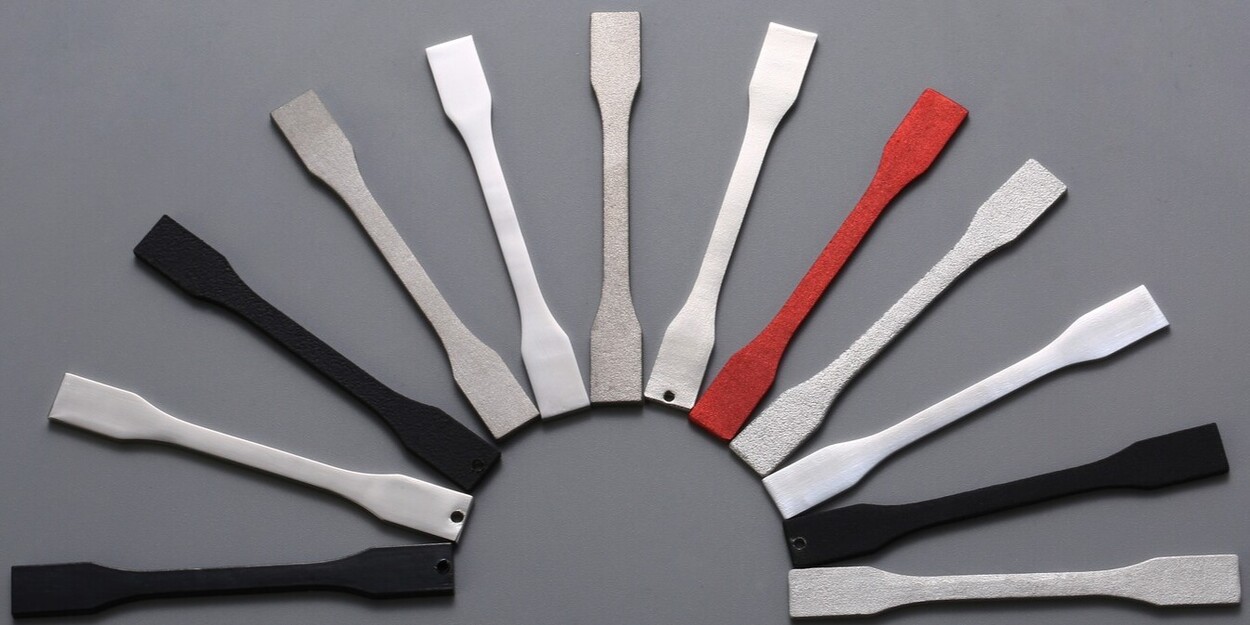
5. Specialty Coatings
• Process: Apply coatings such as metallic sprays, matte varnishes, or textured paints.
• Tools: Spray cans, airbrushes, specialty paints.
• Advantages: Adds unique effects like weathering, metallic sheen, or stone texture.
• Considerations: Requires experimentation to achieve desired results.
7. Advanced Methods
• Airbrushing: Provides smooth gradients and professional-level paint jobs.
• Electroplating: Adds real metal coatings for durability and shine.
• UV Resin Overlays: Strengthens and smooths resin prints.
• Hybrid Techniques: Combining sanding, priming, and specialty paints for layered effects.
Tips to Choose the Finishes
Miniature Type
Fantasy miniatures may benefit from textured finishes, while sci-fi models often look best with smooth, metallic coatings.
Purpose
Gaming miniatures require durable finishes, while display models can prioritize aesthetics.
Time & Effort
Quick finishes like priming and painting are ideal for large batches, while advanced techniques suit showcase pieces.
Budget
Some finishes, like electroplating, are more expensive. Hobbyists should balance cost with desired results.
Material Compatibility
Not all finishes work with all materials. For example, acetone smoothing is only effective on ABS.
Hi3DP’s Supply Chains Offer a Wide Range of Surface Finishes
Hi3DP offers comprehensive supply chains that make finishing accessible and efficient.
Our Network Provides
• Material-Specific Solutions: Finishes tailored to PLA, ABS, resin, nylon, and other materials.
• Professional-Grade Coatings: Access to primers, paints, and specialty coatings designed for miniature applications.
• Advanced Technologies: Options like electroplating, UV resin overlays, and industrial polishing.
• Customization Services: Personalized finishes for unique projects, from gaming miniatures to collectible models.
• Global Supply Chain Efficiency: Reliable sourcing and delivery of finishing materials and tools, ensuring consistency and quality.
By leveraging our supply chains, hobbyists and professionals can access a wide range of finishing options without the hassle of sourcing from multiple vendors, which streamlines the finishing process and ensures that every miniature achieves its full potential.


